

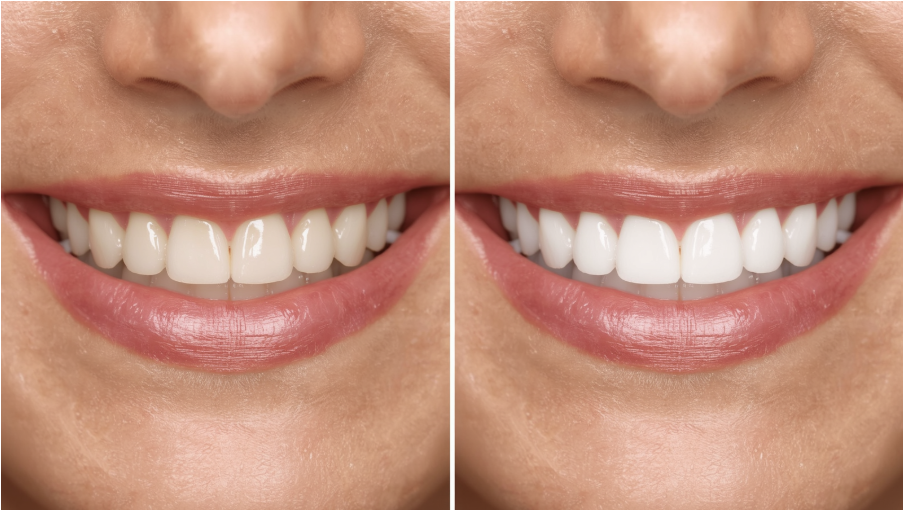

Veneers have become one of the most popular cosmetic dental treatments for creating a brighter, more symmetrical smile. They can correct issues like stains, chips, gaps, and unevenly shaped teeth, giving patients a dramatic smile transformation. However, many people considering veneers wonder whether they only improve appearance or if they also affect the way their teeth come together.
The short answer is that veneers are primarily designed to enhance the appearance of your smile, but in some cases, they can have a small impact on your bite as well.
Understanding how veneers work can help you decide whether they are the right option for your dental goals.
What Are Dental Veneers?
Dental veneers are thin, custom-made shells that are bonded to the front surface of the teeth. They are usually made from porcelain or high-quality composite materials and are carefully designed to match the natural look of your smile.
Veneers are commonly used to improve:
- Tooth discoloration.
- Small chips or cracks.
- Minor gaps between teeth.
- Uneven tooth shapes.
- Slightly worn teeth.
Because they cover only the front surface, veneers are considered a conservative cosmetic treatment compared to crowns.
Are Veneers Meant to Change Your Bite?
In most cases, no. Veneers are mainly intended to improve aesthetics rather than correct major bite problems.
Your bite refers to the way your upper and lower teeth come together when you close your mouth. Significant bite issues usually require orthodontic treatment, such as Invisalign or braces, instead of veneers.
A properly planned veneer treatment should preserve your natural bite while enhancing the appearance of your teeth.
Can Veneers Slightly Affect the Way Your Teeth Meet?
Although veneers are primarily cosmetic, they can create small changes in how your teeth contact each other.
This happens because a thin layer of porcelain is added to the surface of the tooth. Your dentist carefully designs each veneer so that these changes feel natural and comfortable.
After treatment, some patients notice that their bite feels slightly different for a few days. In most cases, the mouth quickly adapts to the new shape of the teeth.
When Veneers Can Actually Improve Your Bite
In certain situations, veneers may provide minor functional benefits in addition to cosmetic improvements.
For example, veneers can help restore teeth that have become worn down over time due to grinding or erosion. Rebuilding these surfaces may improve the way the teeth come together.
Veneers may also help with:
- Small uneven edges.
- Minor spacing issues.
- Slight tooth wear.
- Small alignment imperfections.
However, they are not designed to correct severe overbites, underbites, or major jaw alignment problems.
What Happens If You Have Bite Problems?
If you have significant bite issues, your dentist will usually recommend correcting them before placing veneers.
Conditions that may require orthodontic treatment include:
- Severe crowding.
- Large gaps between teeth.
- Crossbites.
- Overbites.
- Underbites.
Straightening the teeth first often creates a stronger foundation for long-lasting cosmetic results.
Why Proper Planning Is So Important
Creating beautiful veneers involves much more than making teeth look white and straight. Your dentist carefully evaluates your smile, facial features, and bite before treatment begins.
During the planning process, they consider:
- How your teeth fit together.
- Your chewing patterns.
- Tooth size and proportions.
- Jaw movement.
- Overall smile balance.
This detailed approach helps ensure that your veneers look natural while remaining comfortable during everyday activities like eating and speaking.
Will It Feel Strange at First?
It’s completely normal for new veneers to feel slightly different during the first few days. Because the shape of your front teeth has changed, your tongue and mouth may need a short adjustment period.
You might notice:
- A slightly different bite sensation.
- Minor speech changes.
- Increased awareness of the veneers.
Most patients adapt quickly, and the veneers soon begin to feel like natural teeth.
The Goal Is Beauty and Balance
A successful veneer treatment is about much more than creating a bright white smile. Modern cosmetic dentistry focuses on achieving a balance between appearance, comfort, and function.
Well-designed veneers should blend naturally with your existing teeth while maintaining a healthy bite and allowing you to chew, speak, and smile confidently.
If you are considering veneers, a comprehensive dental evaluation can help determine whether they are the right solution for your smile goals. In many cases, veneers enhance your appearance without significantly changing your bite, giving you a natural-looking result that feels just as good as it looks.